

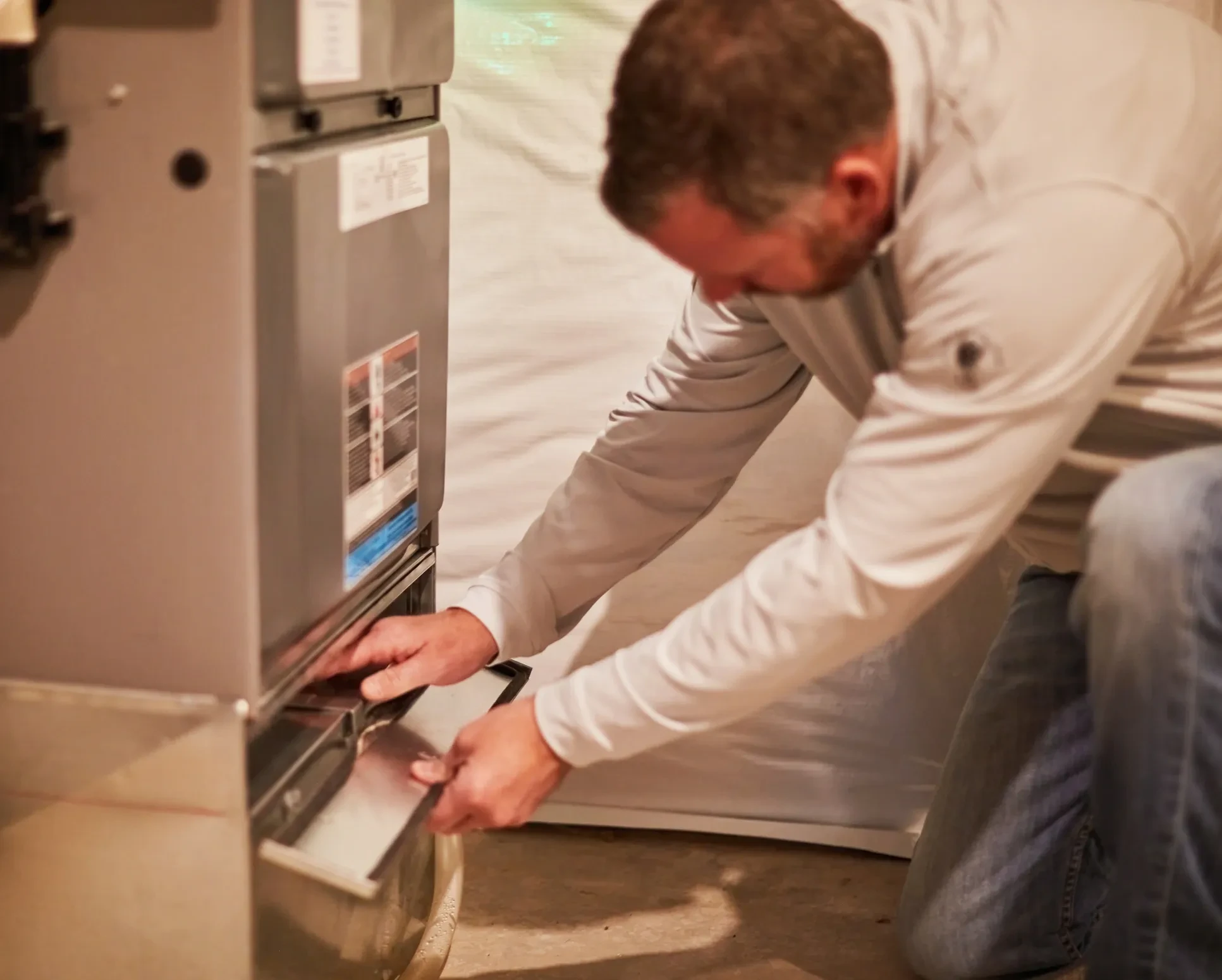

Why Maintenance Matters
A well-maintained furnace lasts 18–22 years. A neglected one may fail at 12–15. Annual maintenance also catches small problems — a cracked heat exchanger, a failing igniter, a dirty flame sensor — before they become no-heat emergencies in January. In Chicago, that's not a small thing.
When to Schedule
Schedule your annual furnace tune-up in September or October — before heating season starts. Technicians are less busy, you have time to address any issues found, and you won't be scrambling for an appointment when it's 10°F outside.
What You Can Do Yourself
Every 1–3 Months
- Replace the air filter. This is the single most important thing a homeowner can do. A clogged filter restricts airflow, causes the furnace to overheat, and can trigger the limit switch. Check it monthly; replace when it looks gray or dirty. 1" filters typically need replacement every 1–3 months. 4–5" media filters last 6–12 months.
- Check the area around the furnace. Keep the space clear of boxes, stored items, and anything flammable. Furnaces need airflow around them.
- Listen for unusual sounds. Banging, squealing, rattling, or rumbling are all worth noting. A technician can diagnose them at your next service visit.
Every Fall (Before Heating Season)
- Test the furnace before you need it. Turn the thermostat to heat and set it above room temperature. Confirm the furnace fires and produces warm air. Do this in September, not December.
- Check the condensate drain (high-efficiency furnaces). Look for standing water near the furnace or a wet floor. A clogged condensate drain will shut the furnace down. Pour a cup of water into the drain pan to confirm it drains freely.
- Inspect the PVC vent pipes (high-efficiency furnaces). Look for cracks, disconnected joints, or debris blocking the intake or exhaust terminations on the exterior wall.
- Check the flue pipe (80% furnaces). Look for rust, holes, or disconnected sections. The flue carries carbon monoxide — any damage is a safety issue.
- Test your CO detectors. Carbon monoxide detectors should be on every level of your home and within 15 feet of sleeping areas. Test them and replace batteries annually.
- Clear supply and return vents. Make sure furniture, rugs, and drapes aren't blocking vents. Restricted airflow causes uneven heating and can damage the furnace.
What a Professional Tune-Up Covers
A thorough annual furnace tune-up by a licensed technician should include:
- Inspect and clean the burners
- Inspect the heat exchanger for cracks (visual and combustion analysis)
- Clean or replace the flame sensor
- Test the hot surface igniter
- Check the inducer motor and pressure switch
- Measure gas pressure and combustion efficiency
- Inspect and lubricate the blower motor (if applicable)
- Check all electrical connections and controls
- Test the limit switch and safety controls
- Inspect the flue or PVC vent system
- Check the condensate drain (high-efficiency)
- Test thermostat operation
- Record any error codes from the control board
Signs Your Furnace Needs Attention Now
- Yellow or flickering burner flame (should be blue)
- Soot or black marks around the furnace
- CO detector alarm
- Furnace short-cycling (fires and shuts off repeatedly)
- Unusual smells — burning, sulfur, or musty odors
- Significantly higher gas bills without a change in usage
- Rooms that used to heat well now feel cold
Any of these warrant a service call, not a wait-and-see approach.
Chicago-Specific Tips
Chicago's winters are hard on furnaces. A few local considerations:
- Exterior vent terminations: High-efficiency furnace vents exit through the side of the house. In heavy snow, these can get buried. Check them after major snowfalls — a blocked vent will shut the furnace down.
- Older homes: Chicago's bungalows and two-flats often have original ductwork from the 1950s–1970s. Leaky or undersized ducts reduce efficiency and make the furnace work harder. A duct inspection is worth adding to your maintenance routine.
- Humidity: Chicago winters are dry. A whole-home humidifier reduces the load on your furnace (humid air feels warmer) and protects wood floors and furniture. If you have one, the humidifier pad needs annual replacement.