

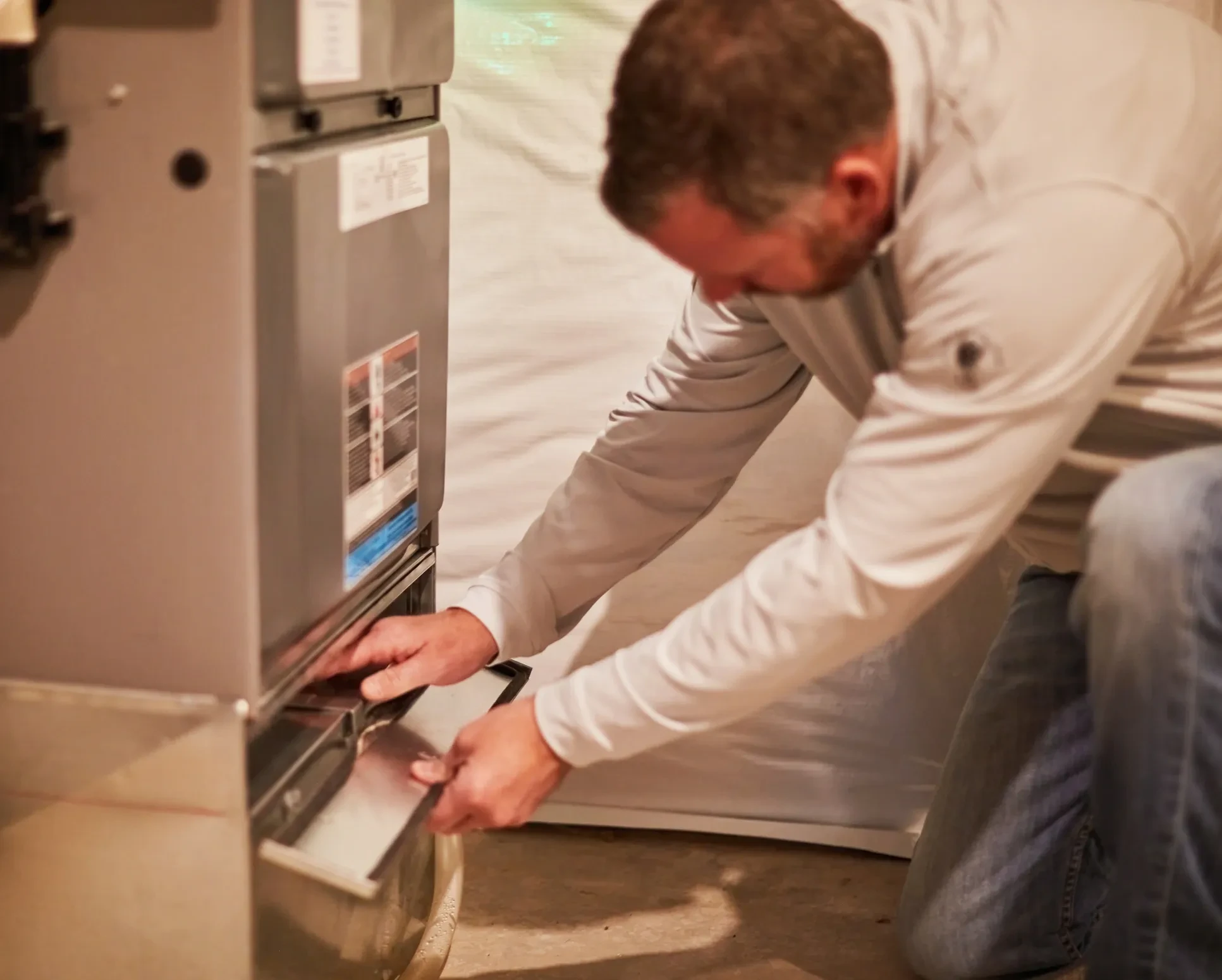

No Heat or Insufficient Heat
This is the most common boiler complaint, especially in Chicago winters. Possible causes:
- Thermostat issue: Check that the thermostat is set to heat mode and the set point is above the current room temperature. Replace batteries if applicable.
- Pilot light or ignition failure: On older boilers with a standing pilot, the pilot may have gone out. On modern boilers with electronic ignition, the igniter or flame sensor may have failed.
- Circulator pump failure: If the pump is not running, hot water is not circulating. You may hear the boiler fire but feel no heat at the radiators.
- Zone valve failure: A stuck-closed zone valve prevents hot water from reaching that zone's radiators.
- Low water pressure: Hot water boilers need adequate pressure (typically 12–15 PSI cold) to circulate water. If pressure is too low, the low-pressure cutoff may prevent the boiler from firing.
- Aquastat failure: A failed aquastat may prevent the burner from firing or the circulator from running.
Banging, Knocking, or Hammering Pipes
Loud banging or hammering in the pipes is one of the most alarming boiler sounds — and one of the most common complaints in Chicago's older steam systems.
- Steam systems — water hammer: The most common cause. Steam and condensate are traveling in opposite directions in the same pipe. When steam hits a pocket of condensate, it collapses suddenly — creating a loud bang. Causes include: pipes pitched the wrong direction (condensate cannot drain back to the boiler), blocked steam traps, or a boiler firing too aggressively.
- Hot water systems — kettling: A rumbling or banging sound caused by scale buildup on the heat exchanger. The scale traps water, which boils and creates steam bubbles that collapse. Descaling or flushing the system usually resolves it.
- Expansion noise: Pipes expand when heated and contract when cooled. If pipes are constrained by framing or hangers, they can bang as they move. This is usually a minor issue.
Boiler Leaking Water
Water around the base of the boiler or dripping from fittings is always worth investigating promptly. Possible causes:
- Pressure relief valve dripping: The PRV opens when system pressure exceeds its rating (typically 30 PSI). A dripping PRV means the system pressure is too high — check the expansion tank and the fill valve.
- Leaking fittings or connections: Threaded fittings can develop small leaks over time. Usually repairable with pipe dope or replacement fittings.
- Cracked heat exchanger: Water leaking from the boiler body itself may indicate a cracked heat exchanger. This is a serious issue requiring replacement.
- Condensate leak (condensing boilers): Condensing boilers produce acidic condensate that drains away. A blocked condensate drain can cause water to back up and leak.
Pressure Too High or Too Low
Hot water boilers should operate at 12–25 PSI. Steam boilers operate at much lower pressure — typically 0.5–2 PSI.
- Pressure too high: Usually caused by a waterlogged expansion tank (the tank has lost its air charge and is full of water). The expansion tank needs to be drained and recharged, or replaced.
- Pressure too low: Usually caused by a water leak in the system, or the fill valve not maintaining pressure. Check for visible leaks first. If none, the fill valve (pressure reducing valve) may need adjustment or replacement.
Boiler Keeps Shutting Off (Short-Cycling)
If the boiler fires briefly and then shuts off repeatedly without heating the building, possible causes include:
- Flame sensor dirty or failed (the boiler fires but cannot confirm the flame)
- Blocked flue or air intake (the boiler shuts down on a safety lockout)
- Overheating due to poor water circulation (blocked circulator or zone valve)
- Boiler oversized for the load (fires, heats quickly, shuts off — normal for an oversized boiler)
When to Call D's Air & Heating
Some boiler problems — thermostat batteries, checking the pilot light, adjusting the thermostat — are homeowner tasks. Gas valve issues, heat exchanger cracks, venting problems, and any situation involving carbon monoxide require a licensed technician immediately. D's Air & Heating provides boiler repair service throughout Chicago and the surrounding suburbs, including emergency service.