


Health Benefits
The human respiratory system functions best at 35–50% relative humidity. When indoor humidity drops below 30% — common in Chicago homes during January and February — the mucous membranes in the nose and throat dry out. This reduces their ability to trap and filter airborne particles and pathogens, increasing susceptibility to colds, flu, and respiratory infections.
- Reduces respiratory irritation, dry throat, and nosebleeds
- Helps cold and flu viruses survive less time in the air (viruses survive longer in very dry air)
- Reduces skin dryness, chapped lips, and dry eyes
- Helps allergy and asthma sufferers — dry air irritates already-sensitive airways
- Better sleep quality — dry air causes snoring and disrupted sleep for many people
Home Protection Benefits
Wood is hygroscopic — it absorbs and releases moisture with the surrounding air. In very dry conditions, wood shrinks and can crack or warp. Chicago homeowners with hardwood floors, wood furniture, musical instruments, or wood trim know this problem well.
- Prevents hardwood floor gaps and cracking
- Protects wood furniture, cabinetry, and trim from drying and splitting
- Protects musical instruments (pianos, guitars, violins) from humidity damage
- Reduces static electricity — the shock you feel touching a doorknob in winter
- Prevents paint from drying out and cracking on walls and trim
Energy Savings
Humid air feels warmer than dry air at the same temperature. This is the same principle that makes humid summer days feel hotter — it works in reverse in winter too. When your home is properly humidified, you feel comfortable at a lower thermostat setting.
Studies suggest that maintaining 35–40% relative humidity allows most people to feel comfortable at 68–70°F instead of 72–74°F. Lowering the thermostat by 2–4°F can reduce heating costs by 4–8% — enough to offset the cost of running a whole-home humidifier in most cases.
The Right Humidity Level
The target indoor relative humidity for a Chicago home in winter is 35–45%. Going higher risks condensation on windows and cold exterior walls, which can lead to mold growth. A humidistat with outdoor temperature sensing automatically adjusts the set point to prevent condensation — this is the recommended control for Chicago's climate.
In summer, the goal reverses: keep indoor humidity below 50% to prevent mold and dust mite growth. A whole-home dehumidifier or properly sized air conditioner handles this.
Whole-Home vs. Portable Humidifiers
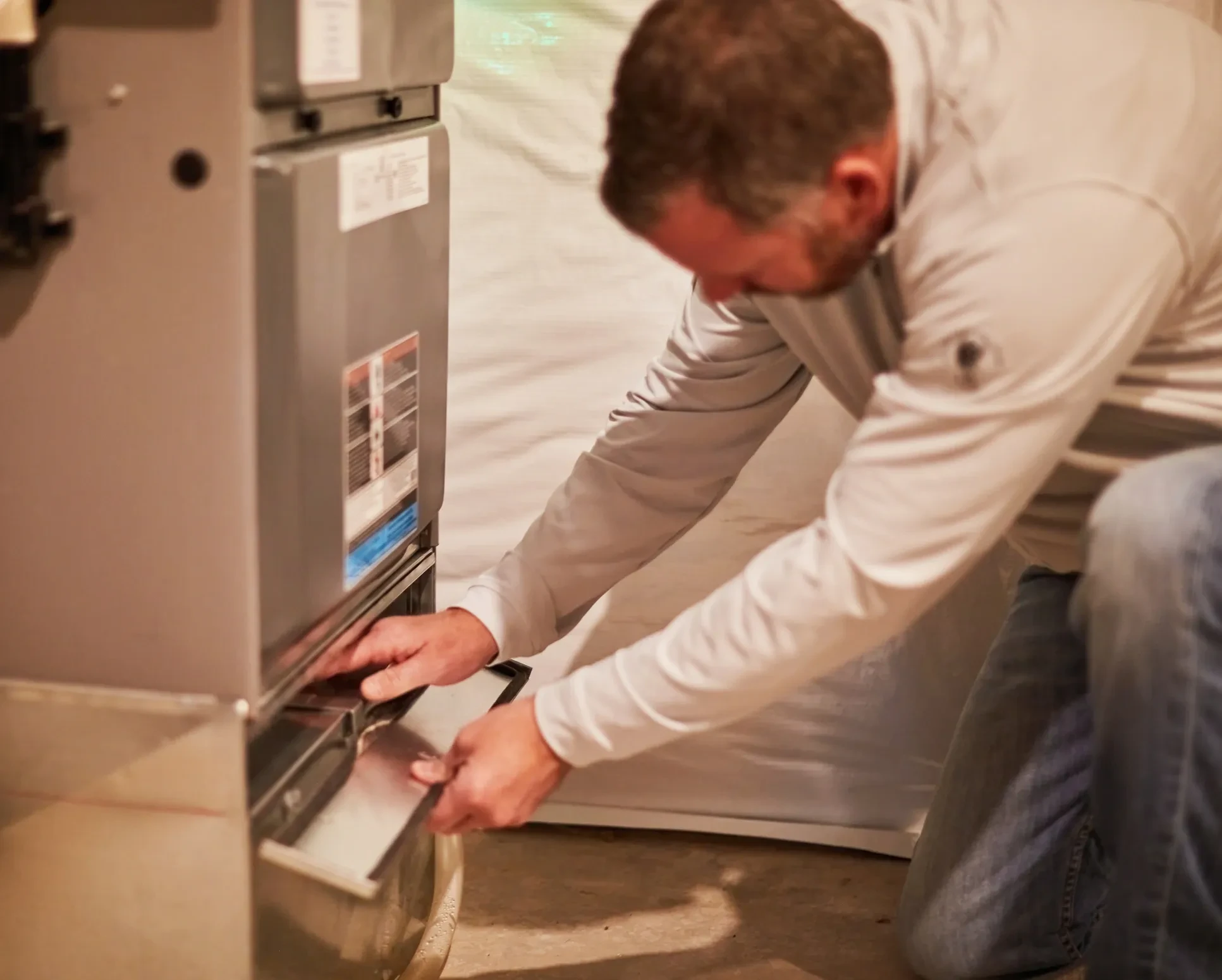
Portable humidifiers humidify one room. They require daily refilling, weekly cleaning to prevent mold growth in the tank, and do nothing for the rest of the house. A whole-home humidifier connected to the HVAC system humidifies every room automatically, requires only annual maintenance, and uses the home's water supply — no refilling.
For a Chicago home that spends 5–6 months in heating season, a whole-home humidifier is a practical, low-maintenance solution. D's Air & Heating installs whole-home humidifiers throughout Chicago and the surrounding suburbs. Contact us for a free estimate.